
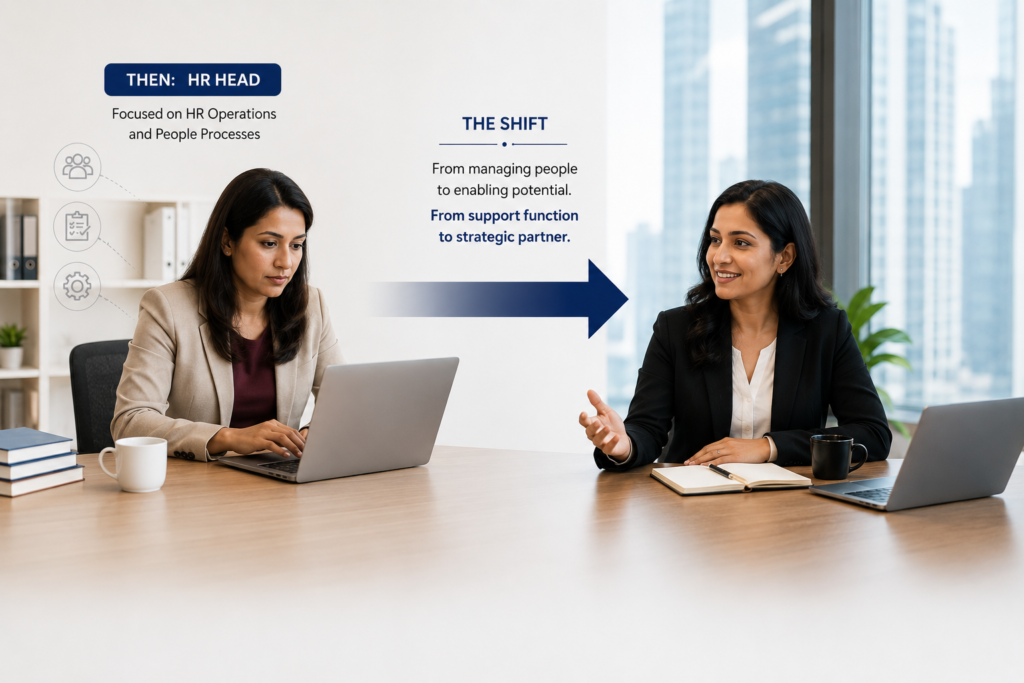

For decades, the Chief Human Resources Officer (CHRO) was primarily viewed as the leader responsible for recruitment, employee relations, compliance, and workforce administration. While these responsibilities remain important, the role of the CHRO has undergone a remarkable transformation in recent years.
Today, CHROs are no longer confined to traditional HR functions. They have emerged as key business strategists, influencing organizational growth, shaping culture, driving digital transformation, and helping companies navigate an increasingly complex business environment.
The Changing Nature of Work
Several factors have accelerated the evolution of the CHRO role:
- Rapid technological advancements
- Hybrid and remote work models
- Growing focus on employee experience
- Skills shortages across industries
- Diversity, Equity, and Inclusion (DEI) initiatives
- The rise of artificial intelligence and automation
These shifts have made people strategy inseparable from business strategy. Organizations now recognize that talent is one of their most critical competitive advantages, placing CHROs at the center of strategic decision-making.
From Talent Manager to Business Partner
Modern CHROs are expected to understand business operations as deeply as they understand workforce dynamics. They actively participate in boardroom discussions, contribute to growth planning, and help organizations prepare for future challenges.
Today’s CHROs are involved in:
Workforce Planning
Identifying future talent requirements and ensuring the organization has the right skills to support long-term business goals.
Organizational Transformation
Leading change management initiatives during mergers, acquisitions, restructurings, and digital transformation programs.
Leadership Development
Building strong leadership pipelines to ensure continuity and organizational resilience.
Culture Building
Creating workplace cultures that enhance employee engagement, productivity, innovation, and retention.
Data-Driven Decision Making
The modern CHRO increasingly relies on data and analytics to guide decisions. HR technology platforms now provide insights into:
- Employee engagement
- Productivity trends
- Retention risks
- Talent acquisition effectiveness
- Learning and development outcomes
By leveraging people analytics, CHROs can make informed recommendations that directly impact business performance. This data-driven approach has elevated HR from a support function to a strategic business partner.
The Rise of Skills-Based Organizations
Traditional hiring based primarily on degrees and experience is gradually giving way to skills-based talent strategies. CHROs are leading this transition by:
- Identifying future-critical skills
- Investing in employee reskilling and upskilling
- Creating internal talent marketplaces
- Promoting continuous learning cultures
As industries evolve rapidly, organizations that can adapt their workforce capabilities will gain a significant competitive edge.
CHROs and the AI Revolution
Artificial Intelligence is reshaping the workplace, and CHROs are playing a vital role in managing this transition.
Their responsibilities now include:
- Preparing employees for AI-driven work environments
- Addressing workforce concerns about automation
- Developing ethical AI usage policies
- Building future-ready talent strategies
- Ensuring human skills remain a priority alongside technological advancement
The CHRO has become a key architect of the organization’s future workforce model.
Employee Experience as a Business Priority
Employee experience has become a critical driver of business success. Organizations with engaged and motivated employees often outperform competitors in productivity, innovation, and customer satisfaction.
CHROs are now responsible for designing holistic employee experiences that encompass:
- Well-being and mental health
- Career growth opportunities
- Flexible work arrangements
- Inclusive workplace cultures
- Recognition and rewards
These initiatives directly influence organizational performance, making employee experience a board-level concern.
The Strategic Seat at the Table
Perhaps the most significant evolution is the CHRO’s growing influence in executive leadership teams. Boards and CEOs increasingly rely on CHROs to provide insights into workforce risks, leadership readiness, organizational culture, and talent strategy.
In many organizations, major business decisions are now evaluated not only through financial and operational lenses but also through a people lens. This has positioned CHROs as critical advisors in shaping corporate strategy.
Looking Ahead
The future CHRO will be a blend of business leader, strategist, data analyst, culture champion, and transformation expert. As organizations continue to navigate economic uncertainty, technological disruption, and evolving workforce expectations, the importance of people leadership will only increase.
The CHRO’s journey from administrative HR head to influential business strategist reflects a broader reality: in today’s economy, business success is inseparable from talent success. Companies that recognize this shift and empower their CHROs accordingly will be better positioned to thrive in the years ahead.