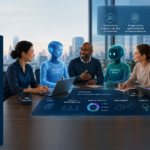


For decades, the traditional career ladder represented success—a predictable path of promotions, higher titles, increased responsibilities, and better compensation. Employees knew what the next step looked like, and organizations designed their talent strategies around vertical growth.
However, the modern workplace is challenging this model. Rapid technological advancements, changing employee expectations, flatter organizational structures, and the emergence of AI are making the conventional career ladder less relevant. The question leaders now face is: If the ladder is broken, what does meaningful employee growth look like?
From Career Ladders to Career Lattices
The future of growth is no longer only about moving upward—it is about moving outward. Employees are increasingly seeking opportunities to develop new skills, work on cross-functional projects, explore different roles, and build diverse experiences.
This shift has given rise to the career lattice—a model where growth can happen sideways, diagonally, through temporary assignments, or by mastering new capabilities. A marketing professional might move into data analytics, an engineer might transition into product management, or a finance leader may take on sustainability initiatives.
Skills Are Becoming the New Currency
In the age of AI and automation, job titles are becoming less important than the capabilities people possess. Organizations that focus solely on promotions risk losing talented employees who want continuous learning and meaningful experiences.
Forward-thinking companies are investing in internal mobility, personalized learning pathways, mentorship programs, and project-based opportunities that allow employees to grow without waiting years for the next title change.
The Role of Managers and HR in Redefining Growth
Managers and HR leaders must move beyond asking employees, “What role do you want next?” and start asking, “What skills do you want to build next?”
Career conversations should focus on capabilities, interests, and long-term aspirations. Transparent skill frameworks, AI-powered learning platforms, and internal talent marketplaces can help employees discover opportunities that match their evolving ambitions.
Creating a Growth Culture Without a Ladder
The organizations that will attract and retain top talent in the future will be those that redefine success. A successful career will no longer be measured only by how high someone climbs, but by how much they learn, contribute, and adapt.
The old career ladder may be breaking, but something more flexible and powerful is taking its place—a dynamic ecosystem where growth is continuous, personalized, and driven by skills.
The future of employee growth belongs to organizations that stop building ladders and start creating limitless pathways for their people.