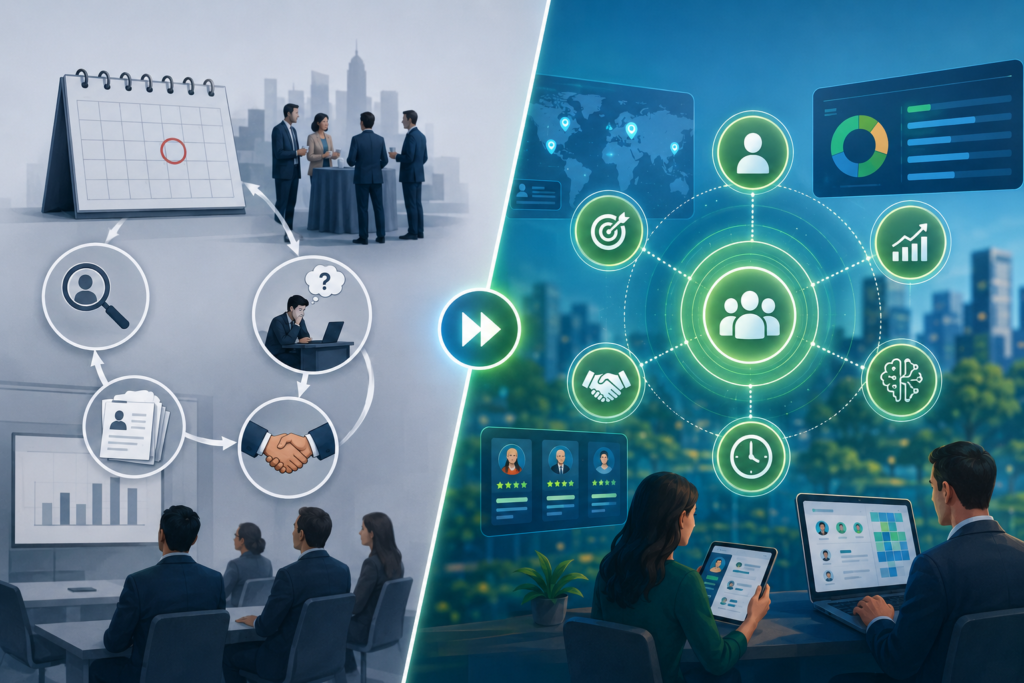

For decades, organizations have relied on annual workforce planning—an exercise conducted once a year to forecast talent needs, allocate budgets, and define hiring goals. While this approach provided stability in a predictable business environment, today’s world of rapid technological advancements, changing market demands, and evolving employee expectations has made annual planning increasingly ineffective.
The modern workforce is no longer static. Skills become outdated quickly, new roles emerge overnight, and business priorities can shift within months or even weeks. To stay competitive, organizations must move away from rigid annual workforce plans and embrace real-time talent strategy—a dynamic, data-driven approach that continuously aligns talent with business needs.
Why Annual Workforce Planning Is Losing Relevance
1. Business Change Happens Faster Than Planning Cycles
Traditional workforce plans are often created based on assumptions that may no longer be relevant six months later. Economic shifts, digital transformation, market disruptions, and changing customer expectations can alter talent requirements much faster than yearly reviews can accommodate.
2. The Rise of New Skills and Roles
The growth of artificial intelligence, automation, and emerging technologies is reshaping job roles at an unprecedented pace. Companies can no longer focus only on headcount planning; they must continuously monitor skill gaps, identify future capabilities, and rapidly reskill their workforce.
3. Workforce Models Are Becoming More Flexible
Today’s organizations depend on a mix of full-time employees, freelancers, contractors, gig workers, and AI-powered tools. Managing this blended workforce requires ongoing visibility into available talent, capacity, and capability rather than a once-a-year assessment.
What Does a Real-Time Talent Strategy Look Like?
Continuous Skills Intelligence
Leading organizations are building live inventories of employee skills and capabilities. By understanding what skills exist within the organization and what skills are needed, leaders can make faster decisions about hiring, upskilling, or internal mobility.
Data-Driven Workforce Decisions
Real-time workforce analytics enable organizations to track trends such as employee availability, productivity, engagement, attrition risks, and emerging skill shortages. This allows HR leaders to act proactively rather than react to talent challenges.
Agile Talent Deployment
Instead of hiring externally every time a new need arises, organizations can move employees across projects, departments, and roles based on their skills and career aspirations. Internal talent marketplaces will become a critical part of this transformation.
Scenario-Based Planning
Future-focused companies will replace fixed yearly plans with multiple workforce scenarios. They will prepare for different business possibilities and adjust their talent strategy as conditions change.
The New Role of HR Leaders
The shift toward real-time talent strategy transforms HR from a support function into a strategic business partner. CHROs and HR teams must combine technology, workforce analytics, and business insights to create a flexible talent ecosystem that can respond to change instantly.
The future of workforce planning is not about predicting exactly what the organization will need 12 months from now—it is about creating the capability to adapt whenever those needs change.
Conclusion
Annual workforce planning is not disappearing entirely, but its dominance is fading. In the age of AI, rapid innovation, and constantly shifting business priorities, organizations need a more agile approach to managing talent. Companies that embrace real-time talent strategy will be better equipped to close skill gaps, optimize workforce investments, and build resilience in an unpredictable future